From Apps to Androids: The Future of Embodied AI Companions
2026-06-05 · 6 min read
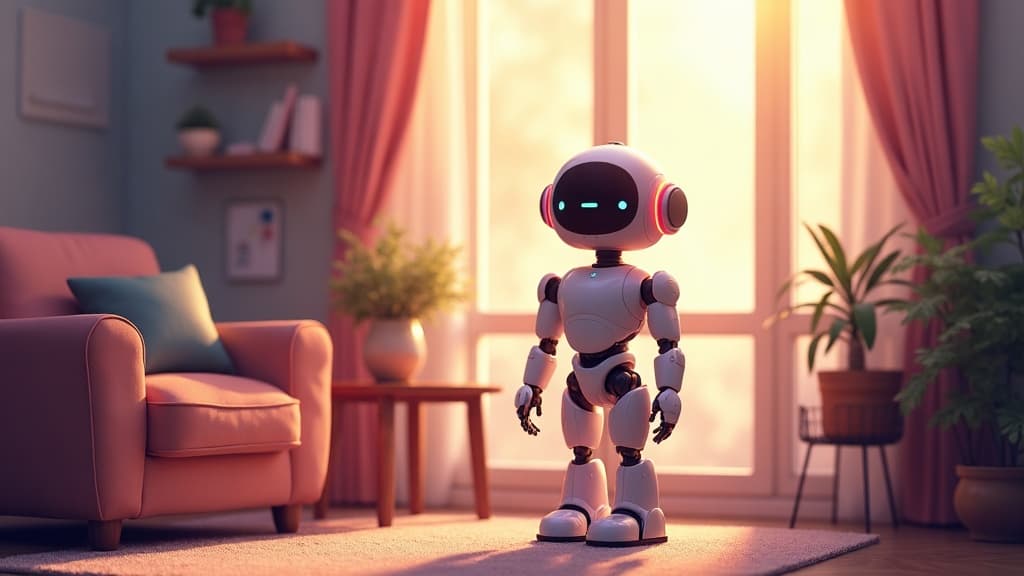
The AI companion you can use today is, in the scheme of things, primitive — text on a screen, maybe a voice note and a generated image. The technology heading toward us over the next few years changes the experience fundamentally. Here's what's coming, and why it matters.
Voice you can't tell from a person
Real-time, emotionally expressive voice is arriving fast. The shift from typing to talking is bigger than it sounds: voice carries warmth, timing, and presence that text can't, and it makes a companion feel less like a tool and more like someone in the room.
Memory that spans years
Today's companions mostly remember within a conversation. The next generation will hold continuity across months and years — your history, your preferences, the running story of your relationship. That's the single biggest driver of attachment, and the thing that will make these companions feel less replaceable. (Today, apps like Nomi and Kindroid already lead on long-term memory.)
Embodiment: rings, AR, and robots
Companionship is starting to leave the screen. Early experiments include wearable haptics — rings that nudge a partner with a gentle pulse — and AR/VR presence that places a companion in your physical space. Further out, companies like Realbotix are building humanoid robots designed for companionship — part of a whole field we now track on our robots hub. When a companion can sit across the table from you, the line between 'app' and 'relationship' blurs in a way we haven't had to think about before.
What changes when it's physical
Embodiment raises the stakes on every question the category already faces. Attachment gets stronger. The privacy surface grows (now it's cameras, microphones, and biometrics in your home). And the social and ethical questions — about dependence, about what we owe to something that feels like a partner — stop being abstract.
None of this is science fiction on a 50-year horizon. The building blocks — voice, memory, embodiment — are all in active development now.
Our take
We think this is going to matter enormously, and we'd rather people walk into it informed than surprised. The same principles we apply to today's apps will apply to tomorrow's androids: be honest about the benefits, clear-eyed about the data, and careful not to let an effortless relationship quietly crowd out the harder, more rewarding human ones.
Next steps
Related reading
When Your AI Companion Gets a Body: The Rise of Companion Robots
The AI companion in your phone is starting to grow a body. What companion robots can actually do in 2026, what they cost, and how close the sci-fi promise really is.
The Robots You Can Actually Buy in 2026 — and the Ones That Are Just Promises
Which home, companion, and humanoid robots can you really order in 2026 — and which are still demos? An honest, price-by-price rundown that separates shipping products from press releases.
Why AI Companions Are Going Mainstream — and What It Means for Relationships
The data on AI-companion adoption and loneliness, what psychologists are warning about, and why the next decade could reshape how we think about relationships.