Readiness ranking · not star ratings
The best companion robots of 2026 (2026)
This is the list closest to what this site is about: robots whose entire job is company. It's also where the gap between promise and product is widest — so, as everywhere on our robot pages, we rank by readiness and evidence, not by concept videos. The striking truth: the best companion robots of 2026 aren't humanoids at all. They're a talking tabletop device with a Medicaid code, a needy Japanese fur-ball with seven years of receipts, and a $399 open-source kit.
Watch: the best companion robots of 2026
$249 one-time + $39–59/mo membership (lease model)

The category's grown-up: thousands of units deployed with older adults, $249 + $39–59/month pricing, and the first state Medicaid reimbursement pathway (Washington, 2026). It wins by the standard everything else here fails: institutions that answer to regulators chose to pay for it.
Evidence: Intuition Robotics · The Robot Report · Full profile →
¥577,500 (~$3,800) + required plan from ¥9,900/mo (~$65)
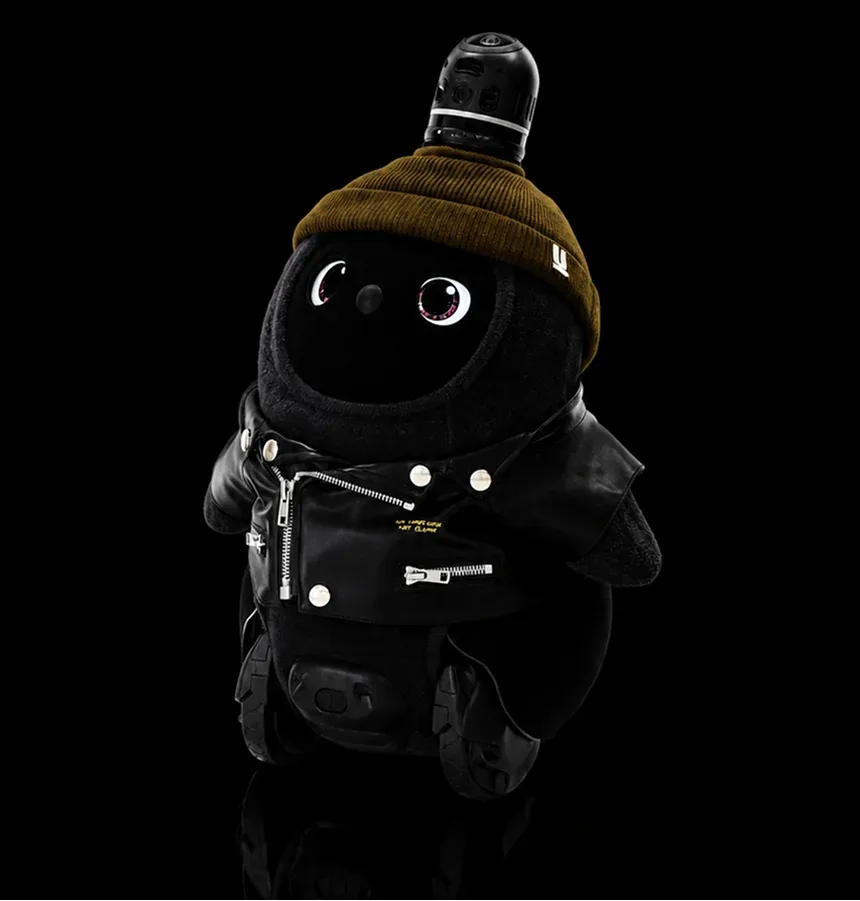
Seven years of shipping proof that people will pay real money (¥577,500 plus ~¥9,900/month) for a robot whose only feature is being loved. The most emotionally sophisticated companion hardware ever built — if you're in Japan.
Evidence: GROOVE X · PR Times / GROOVE X · Full profile →
$399 (Lite, USB) or $499 (Wireless) — sold as a 2–3 hour assembly kit. Both rose from $299/$449; the increase we flagged as 'slated' has now landed.
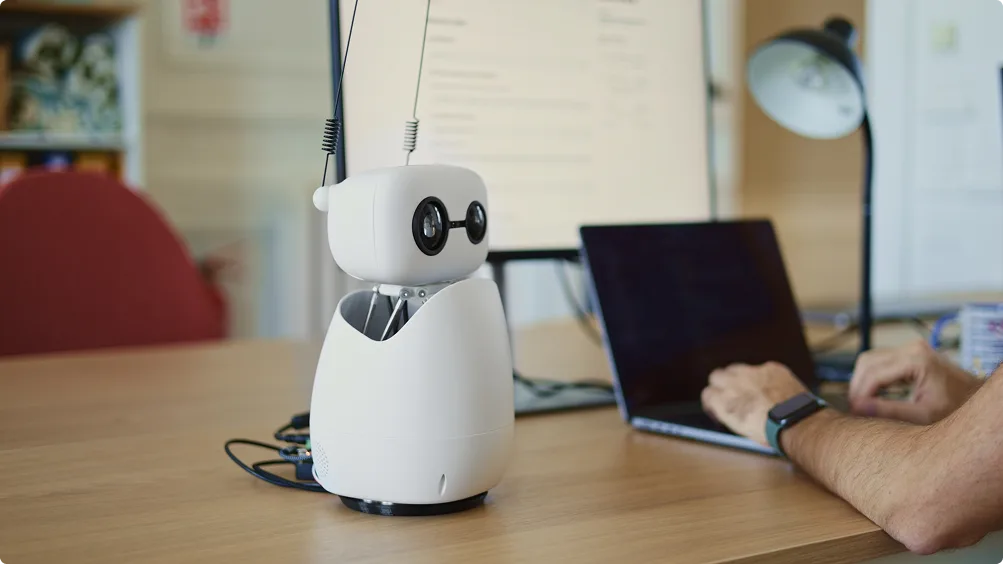
The people's choice: $399–499, open source, backed by Hugging Face's ecosystem. It's a kit and a platform rather than a polished companion — but it's the cheapest way to actually live with an expressive robot, and the community is building the companionship layer in public.
Evidence: Pollen Robotics / Hugging Face · Hugging Face · Full profile →
Busts from $20,000; full-body robots from ~$95,000 (Aria ~$125,000+)

The only shipping robot aimed squarely at humanlike companionship — expressive faces, on-device conversation, buyable today from $20k (busts) to ~$95k for a full body (Aria-class configs ~$125k+). Ranked fourth because independent hands-on reviews find the experience trails the hardware badly at these prices.
Evidence: heise online · Business Insider · Business Wire / Realbotix · New York Focus · Government Technology · Full profile →
Final-sale stock (US store); Japan sales ending as inventory runs out

Still the most polished robot pet ever made, and still purchasable as final-sale stock — but Sony announced the end of sales in June 2026. Buy only with eyes open: its long-term life depends on Sony maintaining services for a discontinued product.
Evidence: Sony Electronics · The Japan Times · Full profile →
U1 Lite (semi-torso) from ¥119,800 (~$16,500); U1 Pro (full-body) ¥169,800 (~$25,000); U1 Ultra ¥990,000 (~$146,000)
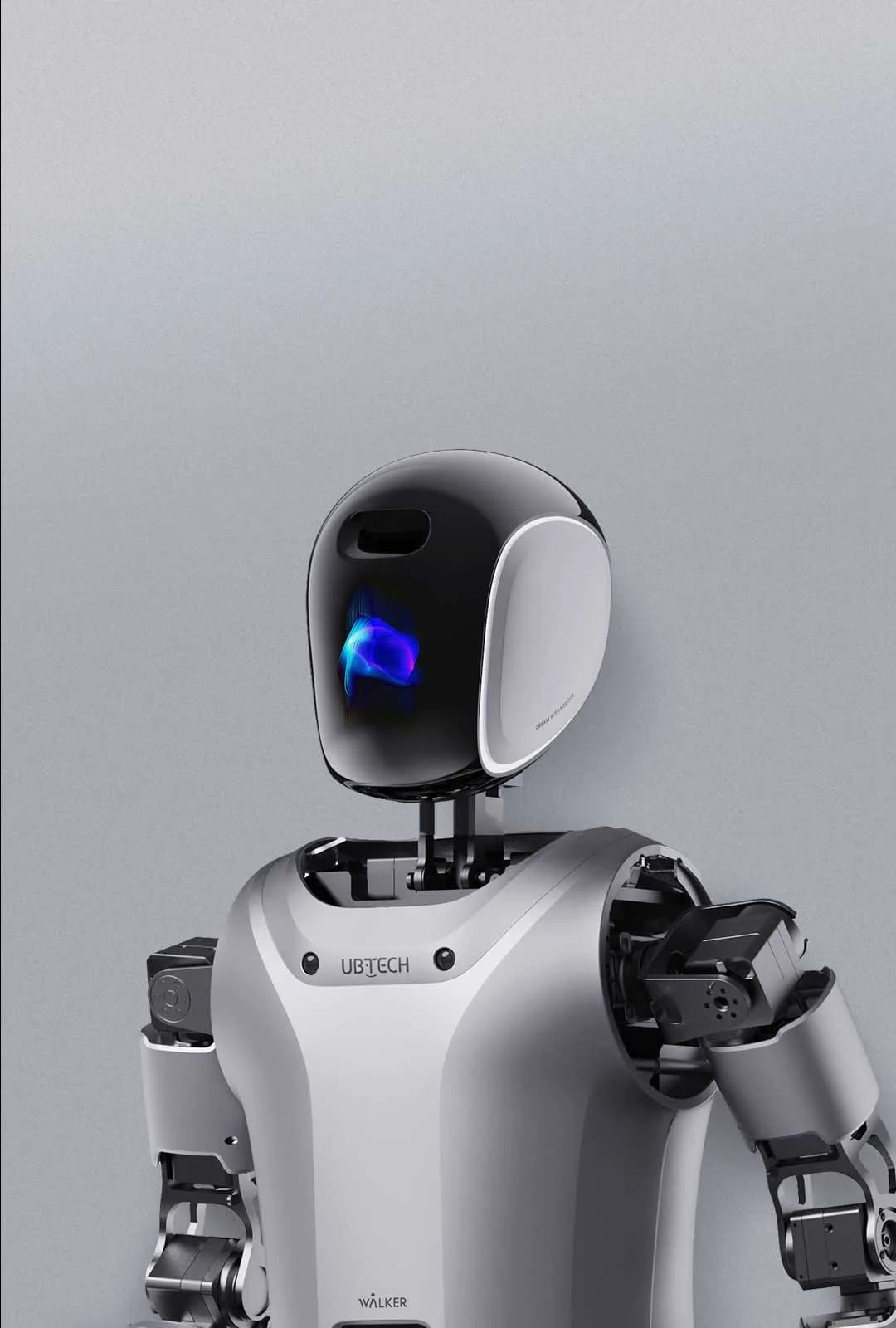
The category's most consequential launch — and its biggest question mark. A consumer-priced companion humanoid — the semi-torso U1 Lite from ~$16,500, the full-body U1 Pro from ~$25,000 — with 13,361 orders on day one from a real public manufacturer. It ranks below the shipping products only because it hadn't shipped at launch, the emotion claims are UBTECH's own, and its 'replica of a loved one' pitch (face + voice cloning of real people) is an ethical hard-no worth pausing on. If September deliveries and independent tests hold up, it climbs fast.
Evidence: PR Newswire / UBTECH · Interesting Engineering · TechRadar · Full profile →
Never priced — indefinitely shelved Jan 2026
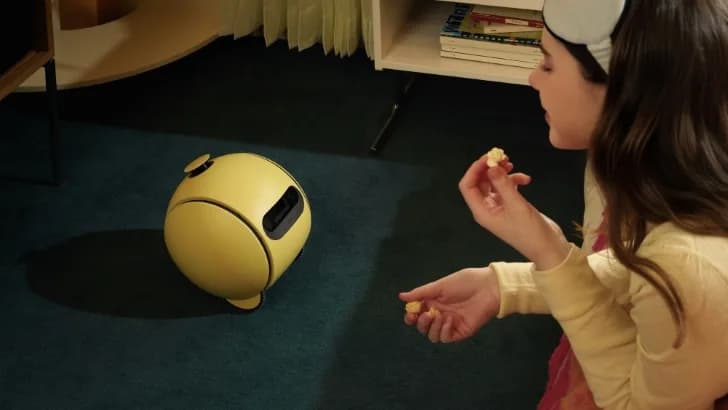
Ranked last as a public-service announcement: six years of CES demos, a promised summer-2025 launch, then 'indefinitely shelved' in January 2026. Ballie is the base rate for home-companion promises — remember it when reading everything above.
Evidence: Ars Technica · Full profile →
How we rank (and why no stars)
Readiness and evidence: shipping products with real users first, weighted by track record, published pricing, and independent reporting. No star ratings — we haven't lived with these machines long-term, and this category's history (Ballie, and Sony's own aibo sunset) punishes credulity. When we test companion robots first-hand, this page graduates to rated reviews.
The full sourced dataset behind this list is on the Humanoid Robot Tracker.
FAQ
What is the best companion robot in 2026?
For its actual purpose — companionship that ships and works — ElliQ leads: thousands of deployments with older adults, transparent pricing ($249 + $39–59/month), and a first-of-its-kind Medicaid reimbursement in Washington state. LOVOT is the pick for pure emotional attachment (if you're in Japan), and Reachy Mini ($399–499) is the best low-cost entry for anyone who likes to tinker.
Is the UBTECH UWORLD U1 the first mass-market companion robot?
It's the most credible bid so far. Launched June 30, 2026, U1 is a full-size companion humanoid priced from about $16,500, from a public manufacturer (HKEX: 9880), with 13,361 orders on launch day and early China deliveries targeted for mid-September 2026 — mass-market pricing and mass production, both firsts for humanlike companion humanoids. But it hadn't shipped or been independently tested at launch, its emotion-AI claims are UBTECH's own, and its optional 'replica of a loved one' feature (cloning a real person's face and voice) is ethically fraught. Promising, unproven, and not one to buy on faith yet.
Do humanoid companion robots like Realbotix Aria work?
They exist and they ship — Realbotix sells conversational humanoids from $20,000 (busts) to about $95,000 for a full body, with Aria-class configurations quoted around $125,000+. But Business Insider's July 2026 hands-on found the illusion "weakened once my interaction began": latency and missed emotional cues — a chatbot wearing a very expensive face, in our view. The honest answer: humanlike embodied companionship is real as a product and premature as an experience.
What happened to Samsung Ballie and Sony aibo?
Ballie — promised for summer 2025 — was reported 'indefinitely shelved' in January 2026 and repurposed as an internal Samsung project; it never shipped. Sony's aibo did ship (since 2018) but Sony announced in June 2026 that sales end as stock runs out, with services continuing for existing owners. Together they're the category's two big lessons: most promises don't ship, and even beloved successes live at the pleasure of a corporation.
What is an AI companion robot?
A physical robot whose primary job is social — conversation, presence, and emotional connection rather than chores. Today that spans three very different products: tabletop conversational devices (ElliQ), robot pets built for attachment (LOVOT, aibo), and early humanlike conversational humanoids (Realbotix, UBTECH's U1). What unites them is the AI companion layer: speech, memory of you, and a persistent character — the same technology as companion apps, wearing hardware.
How much does a companion robot cost?
The honest range in 2026 spans three orders of magnitude: about $250 upfront plus $39–59/month for ElliQ, $399–499 for a Reachy Mini kit, roughly $3,800 plus a mandatory ~$65/month for LOVOT, ~$16,500+ for UBTECH's U1 companion humanoid (unshipped at launch), and $20,000–$125,000+ for Realbotix's humanlike machines. Every one of those prices is from the maker's own published pricing — anything cheaper being advertised as a 'companion robot' deserves heavy skepticism.
Is there a companion robot for adults seeking a romantic companion?
Realbotix is the only company shipping robots aimed at humanlike adult companionship — from $20,000 busts to $125,000+ full-body Aria configurations — and independent hands-on reviews find the conversational experience trails the hardware badly. The realistic 2026 answer for a romantic AI companion is still software: see our guide to AI girlfriend robots and the best AI companion apps for what actually works today.