Industrial & SMB robotPilot only
Fourier GR-3
The first humanoid designed to care rather than to carry.
We haven't tested this machine hands-on, so this profile carries no rating — every fact below traces to the sources at the end, and the judgments are clearly ours. Full methodology on the Robot Tracker.
At a glance
- Status
- Pilot onlyWorking in partner facilities — you can't buy one
- Can you buy it?
- Yes
- Price
- From above ¥200,000 (~$28,000), B2B pre-sales
- Form factor
- Bipedal humanoid (care-focused)
- AI brain
- In-house full-perception multimodal system + LLM reasoning
- Maker
- Fourier (China)
- Backing
- Private; ~$110M Series E (2025), backed by Guoxin and Prosperity7
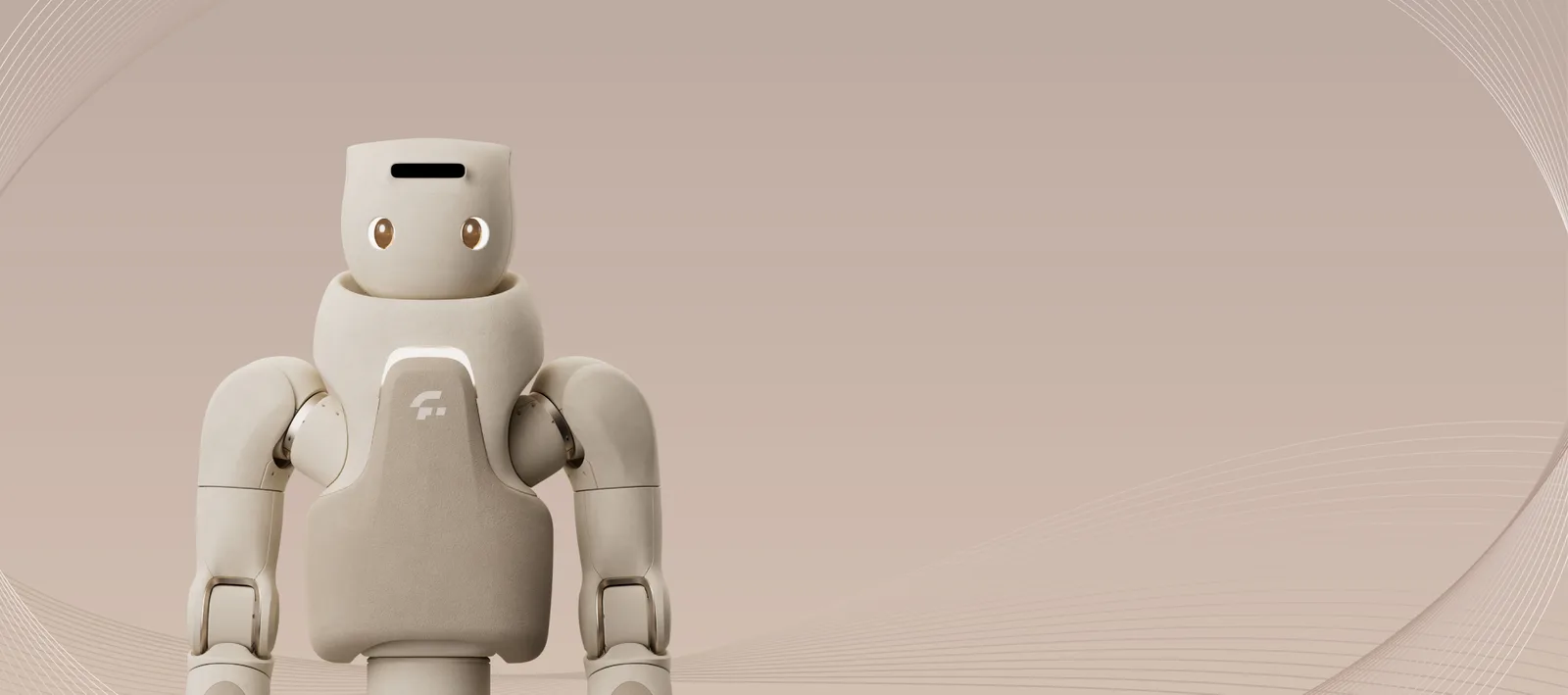
Shanghai's Fourier took the road nobody else on this tracker chose: instead of warehouse totes, its third-generation humanoid GR-3 is built for care — eldercare facilities, rehab centers, hospitals, and companionship. The 165 cm, 55-degree-of-freedom 'care-bot' pairs multimodal perception (vision, audio, touch) with LLM reasoning for emotionally aware interaction, and hot-swappable batteries for round-the-clock service. Priced above ¥200,000 (~$28,000), it's aimed at institutions, with B2B pre-sales open and early clinical integrations reported in 2026.
Fourier's credibility comes from its day job: it's a rehabilitation-robotics company whose devices are deployed in 2,000+ institutions across 40+ countries, and its GR-1 was China's first mass-produced humanoid. A company that already sells into hospitals building a humanoid for hospitals is a fundamentally more plausible story than a demo-reel startup discovering healthcare. It also debuted a doll-sized GR-3 variant at CES 2026 aimed at home companionship — the closest any serious humanoid maker has come to our beat.
Photos from Fourier
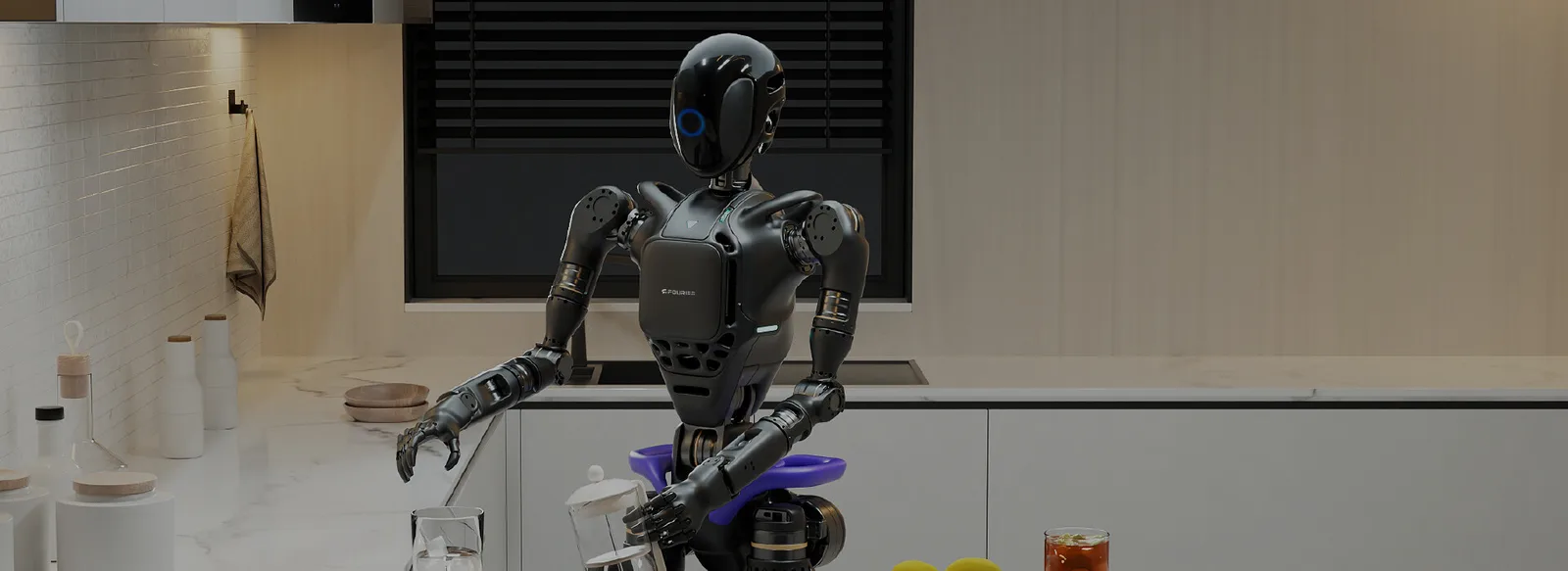
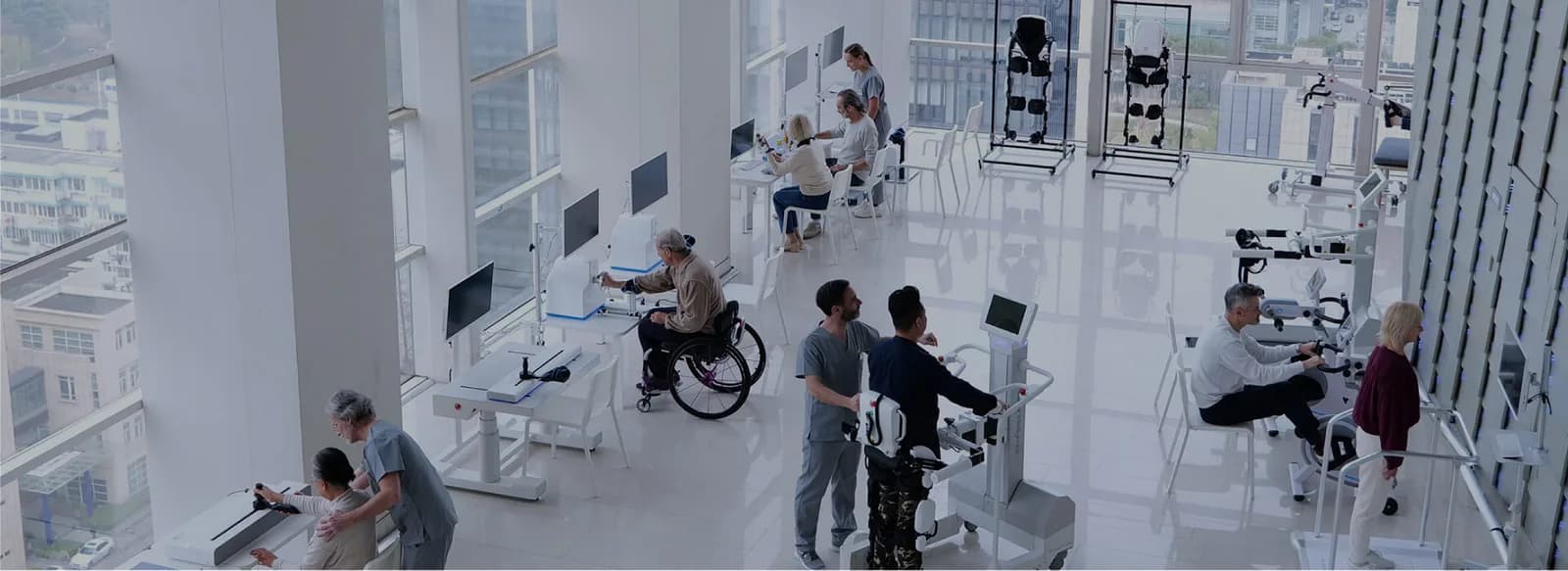
Images are the manufacturers' own press and product photography, shown here for identification and review, and credited to the rights holder.
What's real
- • The only major humanoid designed care-first — emotional interaction, eldercare, and rehab rather than logistics
- • Real healthcare distribution: Fourier's rehab devices already serve 2,000+ institutions in 40+ countries
- • Practical service engineering (hot-swap batteries, ~3 h runtime) and a genuinely disruptive B2B price (~$28k+)
Know before you watch (or buy)
- • Early: B2B pre-sales and pilot clinical integrations, not proven at-scale deployments
- • Care robotics carries the highest safety and trust bar in the industry — evidence of real eldercare outcomes doesn't exist yet for any humanoid
- • Consumer/home versions are announcements (the CES 2026 mini variant), not products
The evidence
B2B pre-sales open; early clinical-setting integrations reported (2026); parent company's rehab products deployed in 2,000+ institutions across 40+ countries.
Bottom line
The humanoid whose thesis is closest to this site's: machines for human connection and care. Fourier's hospital distribution makes it the credible contender in care robotics — but 'designed to care' remains a design goal, not yet a verified outcome. Watch the clinical pilots.
FAQ
What is the Fourier GR-3 for?
Care settings: eldercare facilities, hospitals, rehabilitation centers, education, and interactive companionship. It's a 165 cm humanoid with multimodal perception and LLM-driven interaction, priced above ¥200,000 (~$28,000) for B2B buyers, with pre-sales open and early clinical integrations reported. It is not a consumer product yet, though a smaller home-oriented variant was previewed at CES 2026.