Robot head-to-head · No ratings, just evidence
Unitree G1 vs 1X NEO (2026)
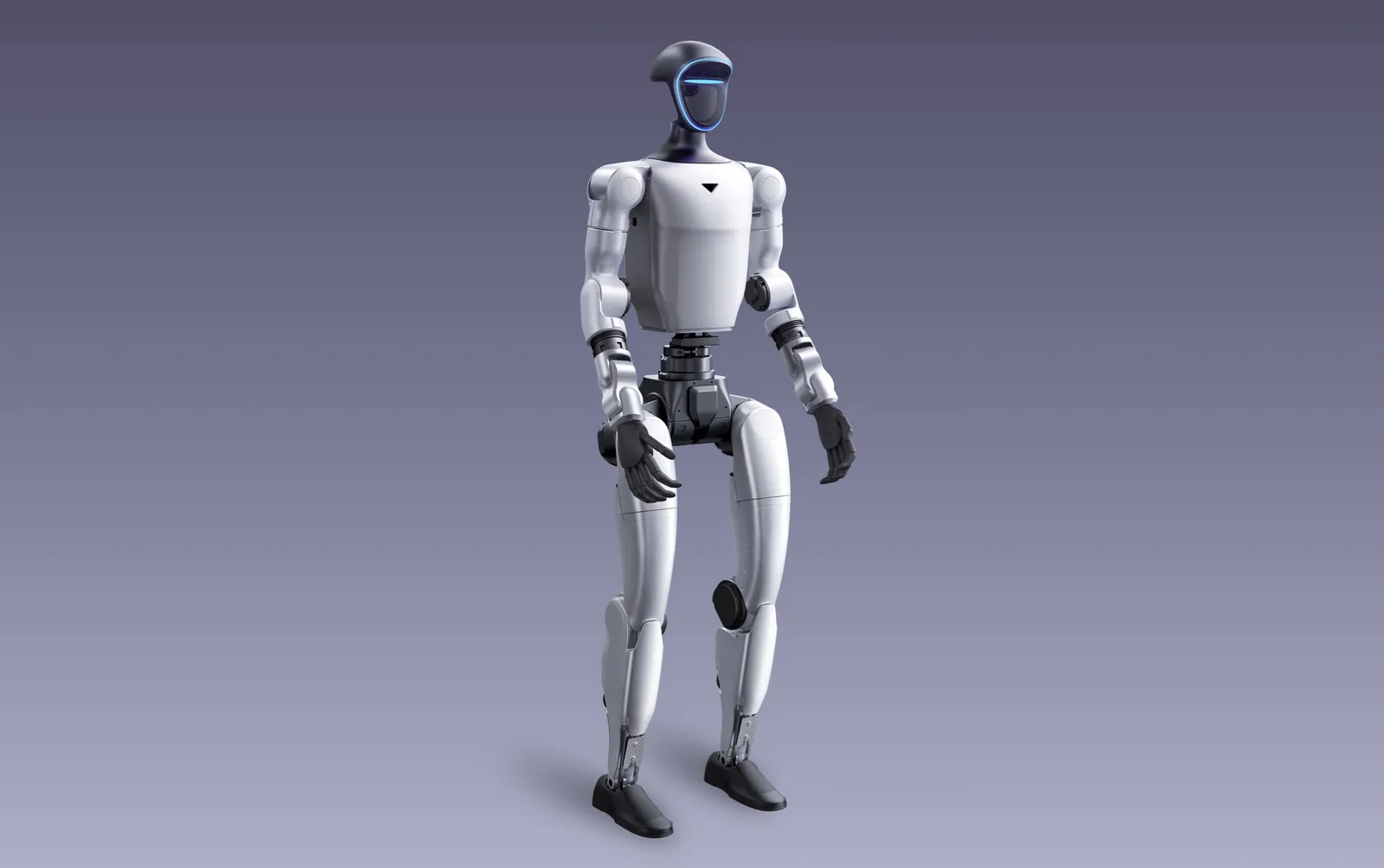
These are the two most prominent humanoids an ordinary individual can actually put money on in 2026 (the buyable class also includes developer machines like EngineAI's PM01 and Booster's T1) — which makes them a natural comparison and a misleading one, because they're barely the same kind of product.
Our verdict
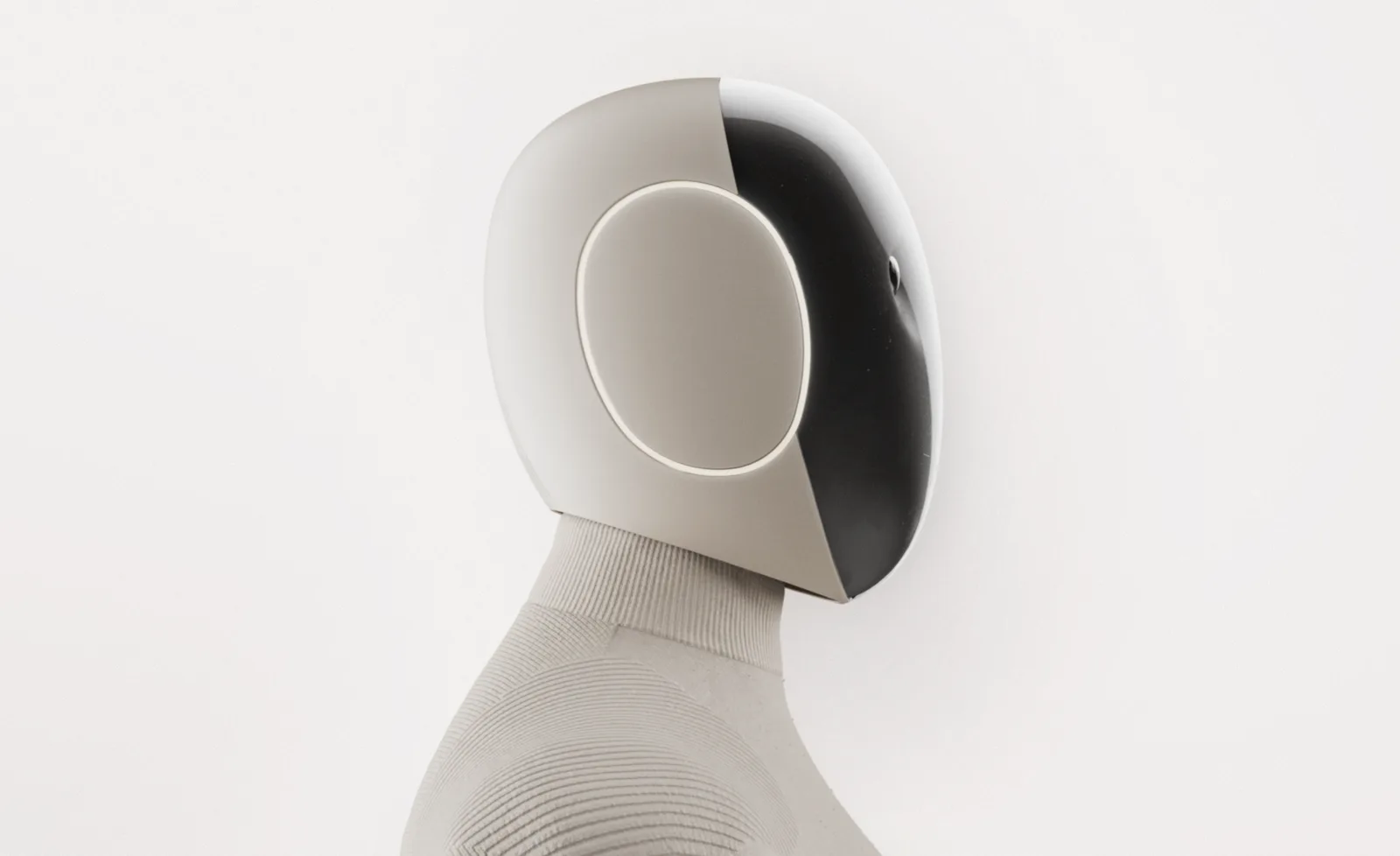
Buy the G1 if you're a developer, researcher, or committed tinkerer: ~$16,000, ships now, from a profitable manufacturer — but it arrives with no household autonomy at all, and known Bluetooth security research means you should treat it as a lab device, not a family appliance. Pre-order NEO if what you want is a home robot: it's designed (and privacy-engineered) for living with people, costs $20,000 or $499/month, and does real chores today mainly via 1X's human teleoperators while its autonomy matures. One is a kit for building the future; the other is a subscription to someone else building it in your living room.
Side by side
| Unitree Robotics G1 (plus R1 / H1) | 1X Technologies NEO | |
|---|---|---|
| Status | Shipping | Pre-order |
| Can you buy it? | Yes | Yes |
| Price | G1 from ~$16,000 | $20,000 Early Access (priority 2026 delivery) or $499/mo subscription |
| Form factor | Bipedal humanoid | Bipedal humanoid |
| AI brain | UnifoLM (in-house) | Redwood VLA + world model (in-house) |
| Real-world evidence | 2025 revenue ¥1.71bn (~$248M), up 335% YoY, with net profit up ~674%; filed for a ~$610M Shanghai STAR Market IPO in Mar 2026. | Consumer pre-orders open since Oct 2025 ($200 deposit); first US home deliveries slated for 2026, other markets from 2027. |
| Backing | Profitable; IPO in registration (targeting ~$610–618M raise) | Private |
| Sources | Reuters · Caixin Global · robotics.press · The New Yorker | 1X Technologies · 1X Technologies · The Robot Report · PCMag · The New Yorker |
Status definitions: Shipping = real units delivered to paying customers; Pre-order = you can pay today; delivery comes later; Pilot only = working in partner facilities — you can't buy one; Announced = demos and plans; no deliveries yet; Shelved = promised, then indefinitely postponed or cancelled. We assign status from evidence, not press releases — methodology on the Robot Tracker.
What you actually receive
G1: a shipping, working bipedal platform you program yourself — the reason it's beloved by labs and priced 5–10× below Western rivals. NEO: a consumer product with an app, chore scheduling, and a support organization — plus the disclosed reality that hard tasks are done by a remote 1X Expert until the AI catches up.
Trust and security
Researchers demonstrated a Bluetooth vulnerability that could chain G1s into a self-spreading botnet — serious if you network one at home. NEO's risk is different: scheduled human teleoperators seeing inside your house, mitigated by session approval, no-go zones, and blurring. Pick your discomfort: hackable dev kit or supervised appliance.
The companies behind them
Unitree is the industry's financial outlier — profitable, ~$248M 2025 revenue, IPO in registration — so the G1 is unlikely to be orphaned. 1X is a private startup betting everything on home humanoids; its long-term support depends on that bet paying off.
FAQ
Is the Unitree G1 a home robot like NEO?
No. The G1 is a developer and research platform — it ships with no household autonomy, and making it useful is a programming project. NEO is a consumer home product with scheduled chores and (crucially) human teleoperation filling the capability gap. They share a form factor, not a purpose.