Readiness ranking · not star ratings
The best robot pets of 2026 (2026)
This is the affordable end of the robot world — and the only corner of it where an ordinary person can actually buy something. It's also where the gap between what's claimed and what's true is widest, because almost nothing here is independently reviewed and much of what ranks on Google is written by the manufacturers themselves.
So one finding up front, because nobody else on the internet seems to have checked it. PARO is described almost everywhere as an 'FDA-cleared Class II medical device.' It isn't. FDA's own databases show no 510(k) for it at all, under a regulation that is explicitly exempt from FDA review. PARO is FDA-registered — which means the company told the FDA it exists. The FDA has never evaluated whether it works. You can verify that yourself against api.fda.gov, and we think you should.
~£6,000 ex. VAT via the UK distributor; the US distributor publishes no price (quote-on-request). Institutional, not consumer, pricing.
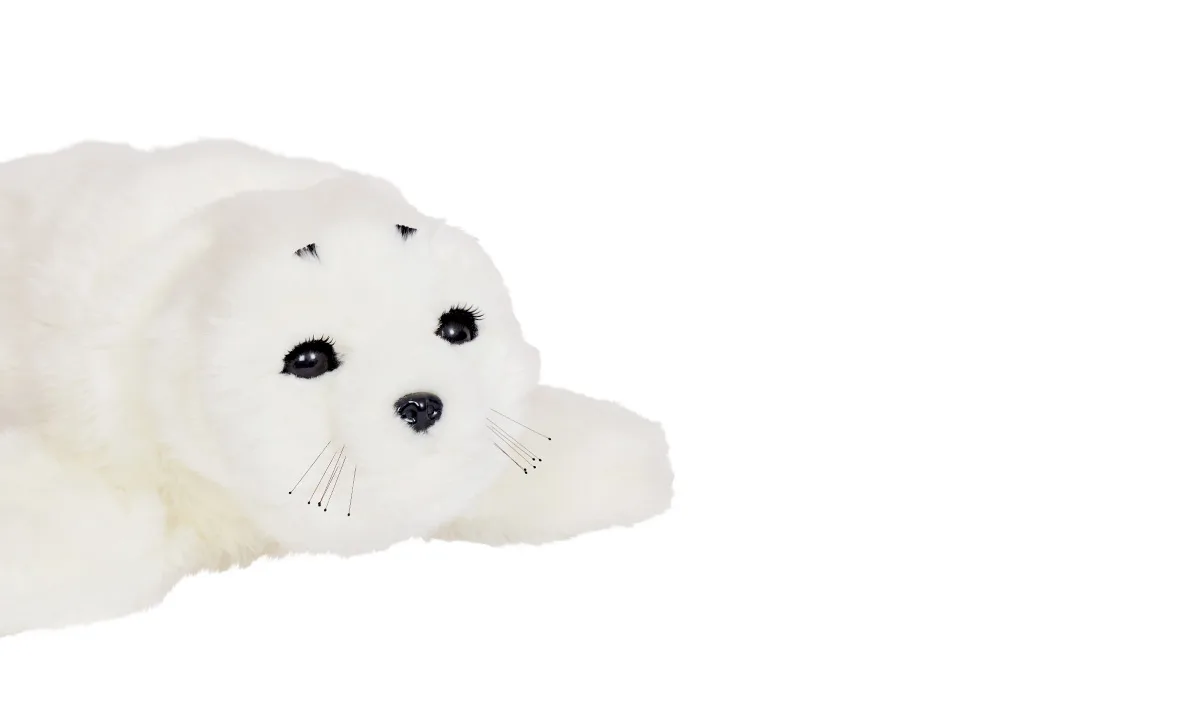
First because it is the only robot pet with a real evidence base — twenty years in care homes and registered clinical trials on dementia agitation. But buy it for the research, not the credential: its famous 'FDA-cleared' status does not exist, and its 'covered by Medicare' claim traces to the inventor's own papers, not to any coverage decision. At ~£6,000 it's an institutional purchase, not a consumer one.
Evidence: PARO Robots / AIST · openFDA (FDA device registration + 510(k) databases) · eCFR / FDA · Sense Medical (PARO UK) · ClinicalTrials.gov · Full profile →
$429 (£369), from Casio directly. Not sold on Amazon.
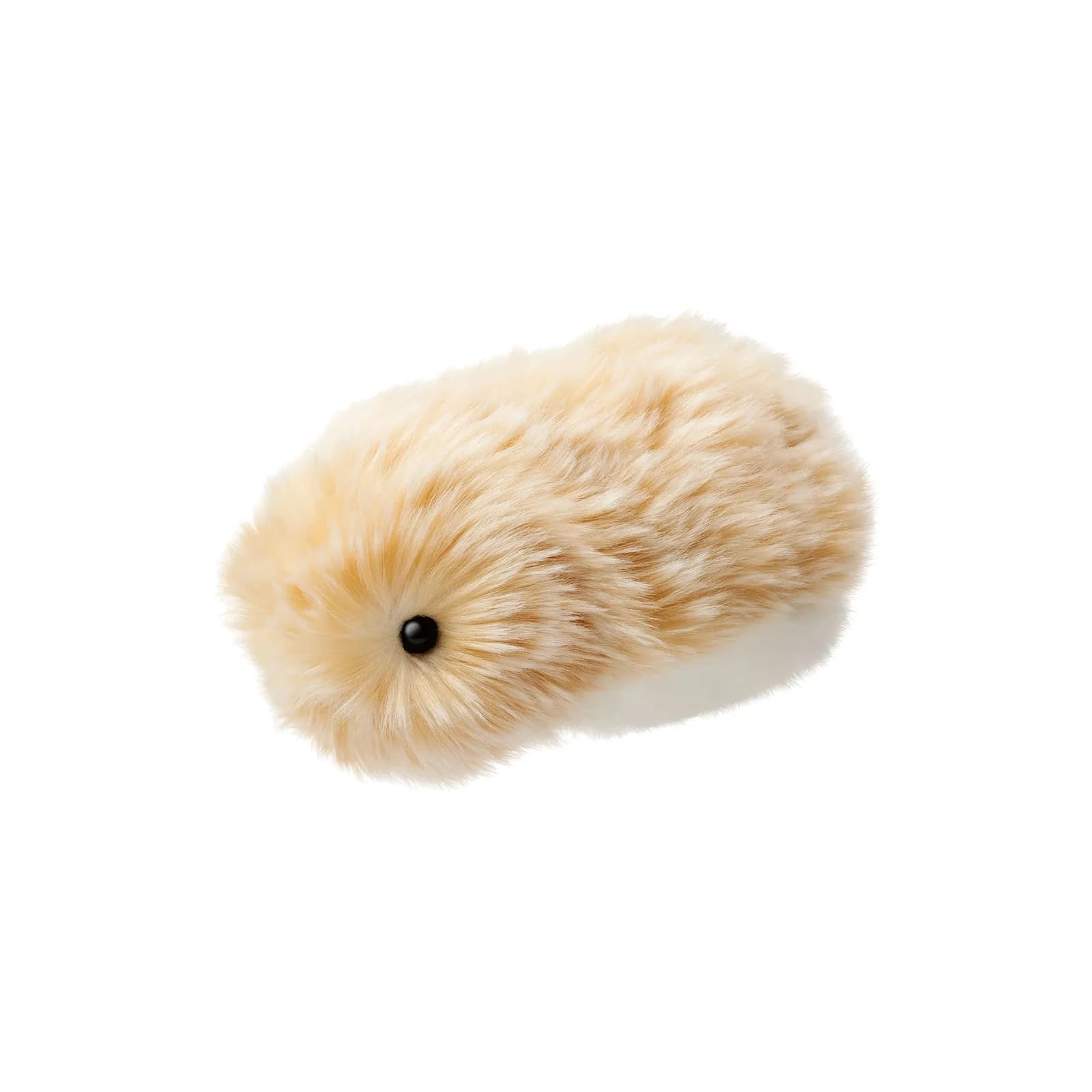
The consumer winner on evidence: roughly 10,000 sold in Japan, repeated sell-outs, and a solvent sixty-year-old manufacturer behind it. $429 buys a furry blob with no face, no wheels and no screen — TechCrunch called it 'not much more advanced than a Furby', which is fair for a tech reviewer and beside the point for the child or dementia patient it actually lands with. Watch the consumables: Casio excludes battery, motor and fur from warranty.
Evidence: Casio / PR Newswire · TechCrunch · Casio UK Support · Sherwood News · Full profile →
~$429 (KEYi's own pages quote $399.90 to $529 simultaneously). Available on Amazon US.
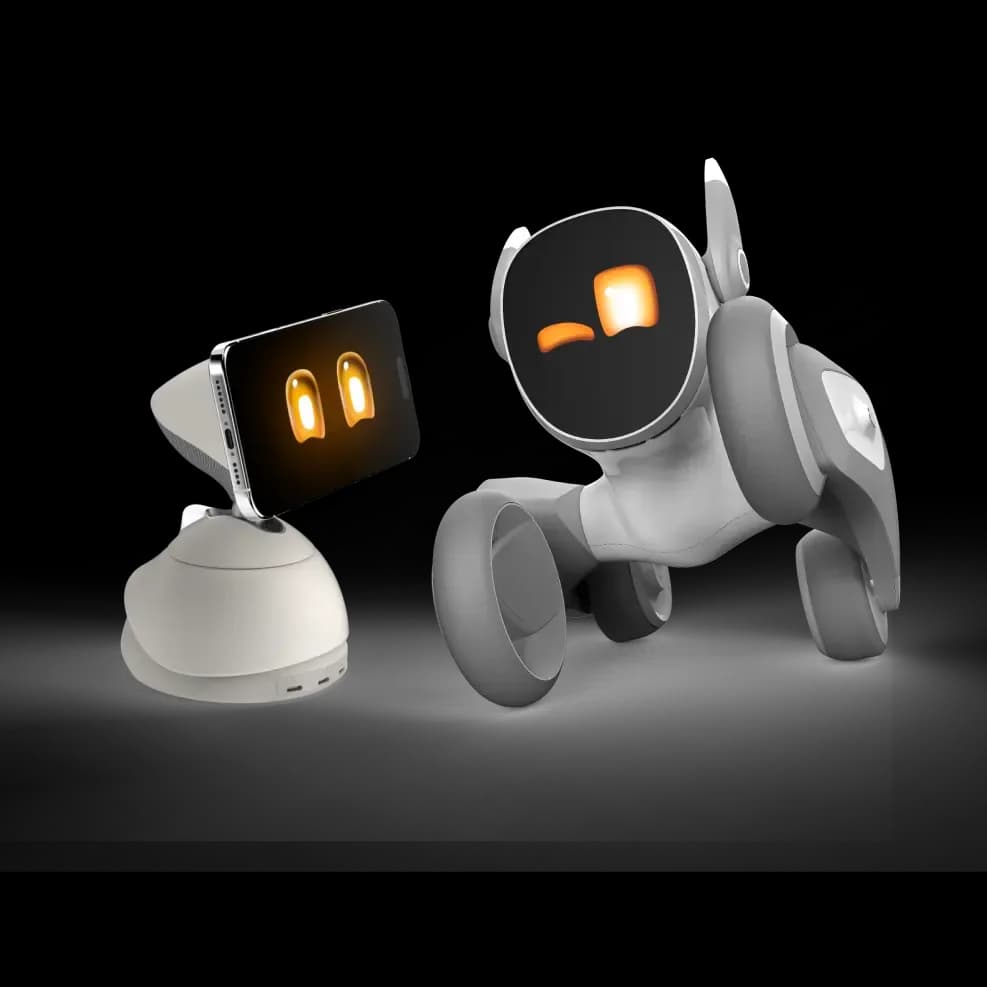
The one you can most easily buy — ~$429, on Amazon US, and it does visibly more than the fur balls (camera, navigation, GPT-4o chat, games). Two caveats that matter: KEYi says the free GPT-4o is free 'for the moment', and nearly every glowing 'Loona review' that ranks on Google is published by KEYi themselves.
Evidence: KEYi Tech · Amazon · KEYi Tech · Full profile →
$339 on Ropet's own store (down from a $489 list). It debuted at CES 2025 at $299 — the price has risen since. Also sold on Amazon US.
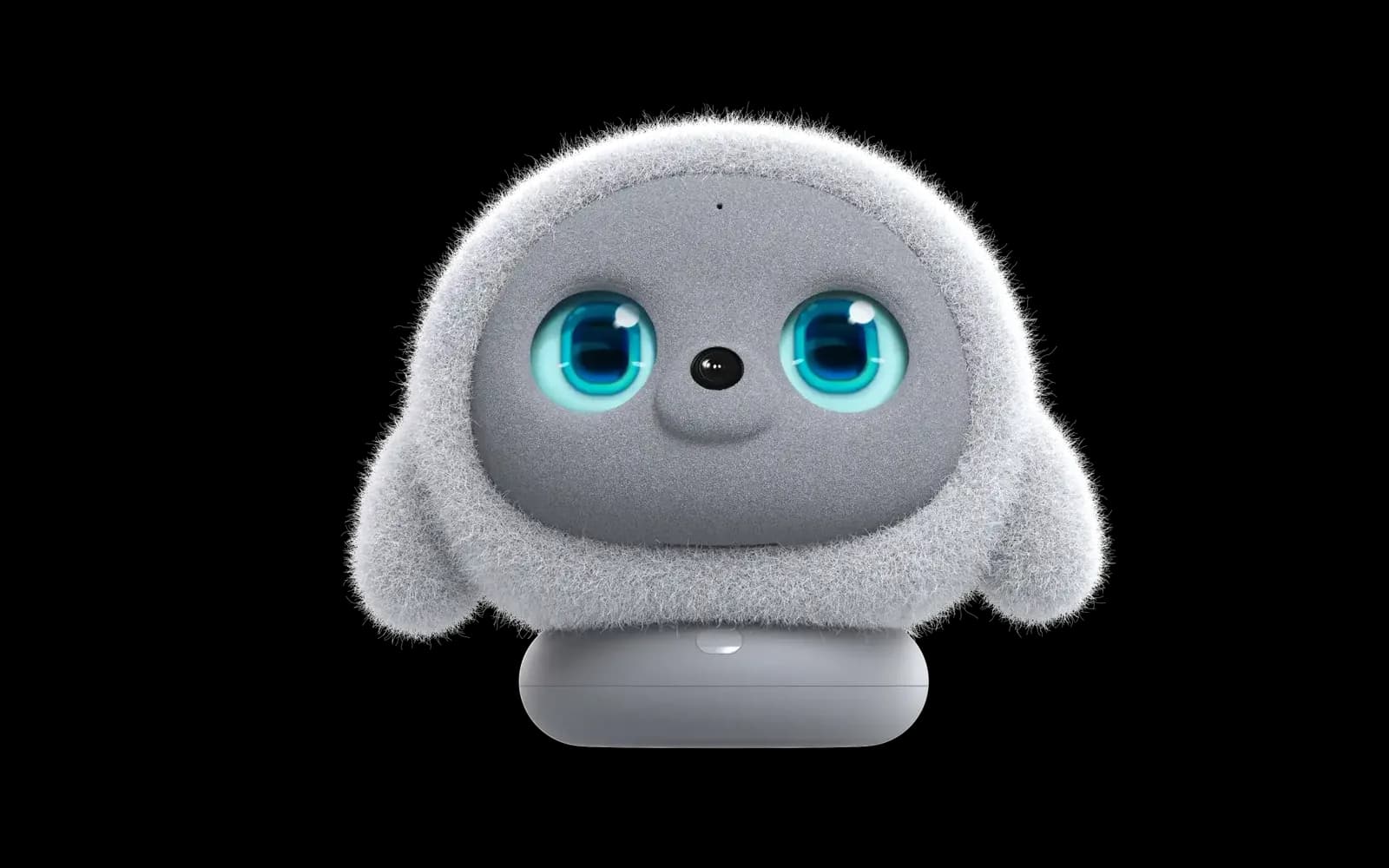
The value pick, and the sharpest question hanging over Moflin: $299, on Amazon, with a face and a camera that recognise you. If it does the same emotional job for $130 less and is easier to buy, what is Casio's premium actually for? Crowdfunded and young, so long-term support is the open question.
Evidence: Ropet · Forbes · Amazon · Full profile →
Final-sale stock (US store); Japan sales ending as inventory runs out
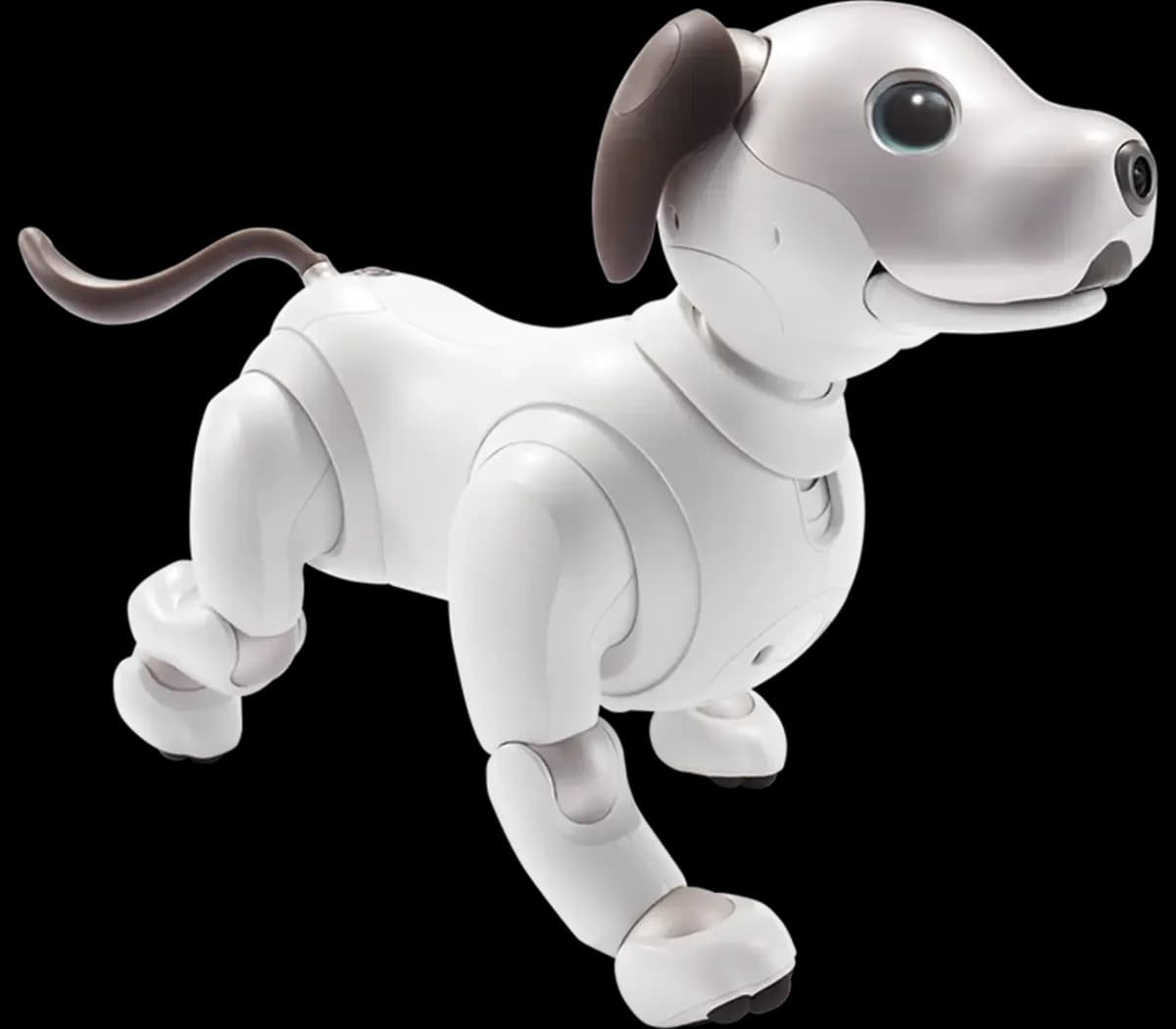
Still the most polished robot dog ever made, and still buyable as final-sale stock — but Sony announced the end of sales in June 2026. It's here as a warning as much as a recommendation: its future depends on Sony maintaining services for a product it has discontinued.
Evidence: Sony Electronics · The Japan Times · Full profile →
$1,500 per press reporting from CES 2026 — Tombot publishes no price on its own site. Waitlist only; the first litter is sold out.
Last, and it's the one we most want to be wrong about. The best design thinking in the category — a Jim Henson's Creature Shop puppy built for dementia patients who can't keep a real dog. But you cannot buy it: the first litter is sold out, it's waitlist-only, the ship date has slipped for years, and its '18,000 preorders' are signups, not sales. It is also not FDA-cleared, only 'pursuing' recognition.
Evidence: WTOP · Tombot · MassRobotics · Full profile →
How we rank (and why no stars)
Same rule as the rest of our robot coverage: readiness and evidence, not star scores, because we have not lived with these machines. Shipping products with real users rank above promises; independently corroborated claims rank above the maker's own marketing. These are also the first robots cheap enough for us to actually buy — so this is the page most likely to graduate to genuinely rated, hands-on reviews.
The full sourced dataset behind this list is on the Humanoid Robot Tracker.
FAQ
Is PARO really an FDA-approved medical device?
No, and this is the most repeated falsehood in the category. PARO's US distributor holds an FDA establishment registration and lists the device under product code HCC — biofeedback device, 21 CFR 882.5050, Class II. But there is NO 510(k) on file, because that regulation is explicitly exempt from 510(k) premarket notification. The FDA has therefore never cleared, approved or evaluated PARO's effectiveness. 'FDA-registered' means the company notified the FDA that it exists; it is not an endorsement. Anyone can confirm this via api.fda.gov.
What is the best robot pet you can actually buy in 2026?
For most people, Loona (~$429, on Amazon) or Ropet ($339, on Amazon) — they're the only ones with a clean consumer purchase path. Moflin ($429) has the strongest sales record but is Casio-direct only. PARO has the real clinical evidence but costs around £6,000 and is sold to institutions. Tombot's Jennie, the most emotionally convincing of all, cannot be bought at any price yet.
What is the best robot dog companion?
Tombot's Jennie is the purpose-built robot dog companion — designed with Jim Henson's Creature Shop specifically for seniors and dementia care — but it's waitlist-only and nothing has shipped, so it can't be the practical pick yet. Sony's aibo is the most sophisticated robot dog ever sold, now final-sale stock only. Among robots you can actually order today, Loona ($429, more puppy-like than any of the humanoid pets) is the realistic robot-dog-adjacent choice.
Do robot pets actually help with loneliness or dementia?
PARO is the only one with peer-reviewed research and registered clinical trials behind it, mostly around agitation in dementia care, and results are mixed even there. Every other robot pet's emotional claims are the maker's own marketing. That doesn't mean they don't work — it means nobody has independently checked. Be sceptical of any product here that quotes a benefit without a study.